
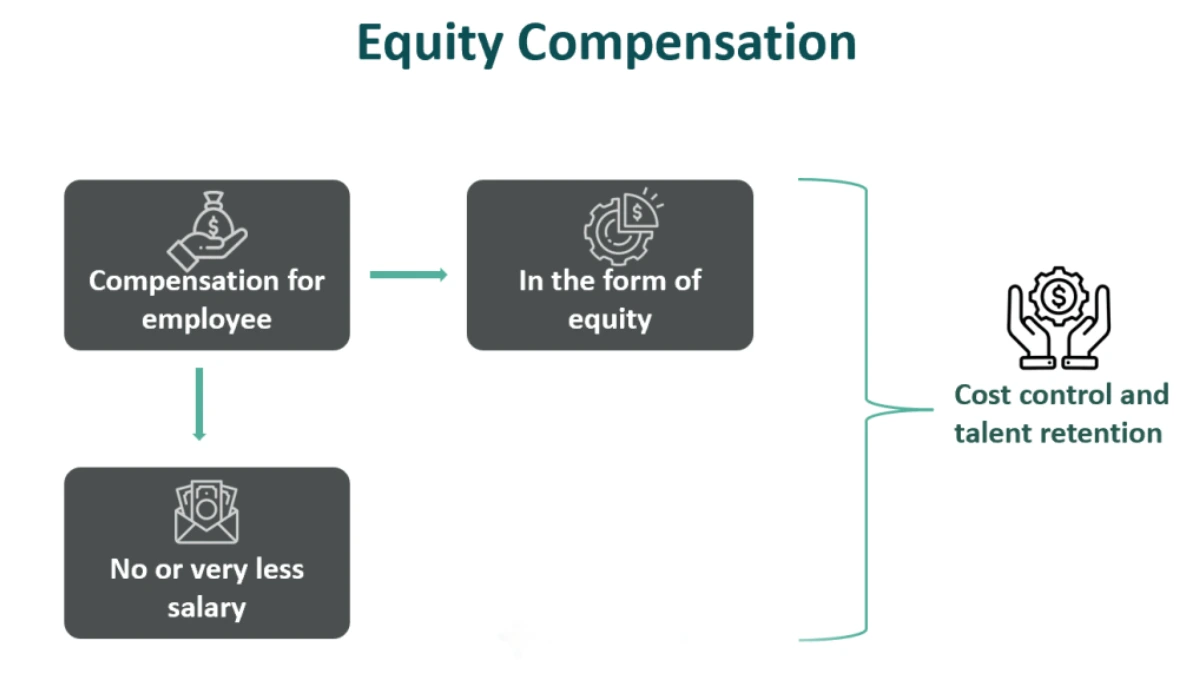
Equity-based compensation has become a cornerstone of modern corporate compensation strategies, yet its impact on reported earnings remains complex and often misunderstood by investors and stakeholders alike.
Companies must recognize the fair value of equity awards as an expense on their income statement, fundamentally altering how corporate profitability appears on paper. When organizations grant stock options or restricted stock units to employees, these awards create non-cash expenses that directly reduce net income during the vesting period.
The compensation expense is spread out over the vesting period of the award, meaning a company issuing equity grants with multi-year vesting schedules will see sustained reductions in reported earnings year after year. This accounting treatment stems from regulatory standards that mandate transparent reporting of employee compensation costs, regardless of whether actual cash leaves company coffers.
The measurement process itself introduces another layer of complexity. For stock options, companies typically employ sophisticated pricing models to estimate fair value at the grant date. This estimated value then becomes the basis for calculating periodic expenses. With Restricted Stock Units, the fair value is usually the market price of the company’s stock on the grant date, making valuation somewhat more straightforward but still creating substantial income statement impacts.
The expense recognized boosts operational costs, reducing net income, even when businesses generate strong cash flows from operations. This disconnect between reported profitability and actual cash generation can create confusion when analyzing corporate performance. Technology companies and startups, which rely heavily on equity compensation to attract talent while preserving cash, often report significantly lower earnings than their operational performance might suggest.
The timing of these expenses matters considerably. Companies with aggressive vesting schedules or large grant cycles may experience more volatile earnings patterns. Meanwhile, organizations with steady, predictable equity programs see more consistent expense recognition over time.
On the balance sheet, equity compensation affects shareholders’ equity through increases in additional paid-in capital accounts. On cash flow statements, since stock-based compensation is a non-cash expense, it must be added back to net income when calculating operating cash flows. This adjustment helps investors understand true cash generation capabilities.
The dilutive effect presents another consideration. As companies issue new shares to employees, existing shareholders see their ownership percentages decrease. Earnings per share calculations must account for potential dilution from outstanding options and unvested restricted stock units, further complicating performance metrics.
Understanding equity compensation’s impact on reported earnings proves essential for accurate corporate analysis. While these expenses reduce stated profitability, they represent genuine economic costs in attracting and retaining skilled workforce. Investors who ignore or misinterpret these charges risk making flawed valuation decisions based on incomplete financial pictures.