
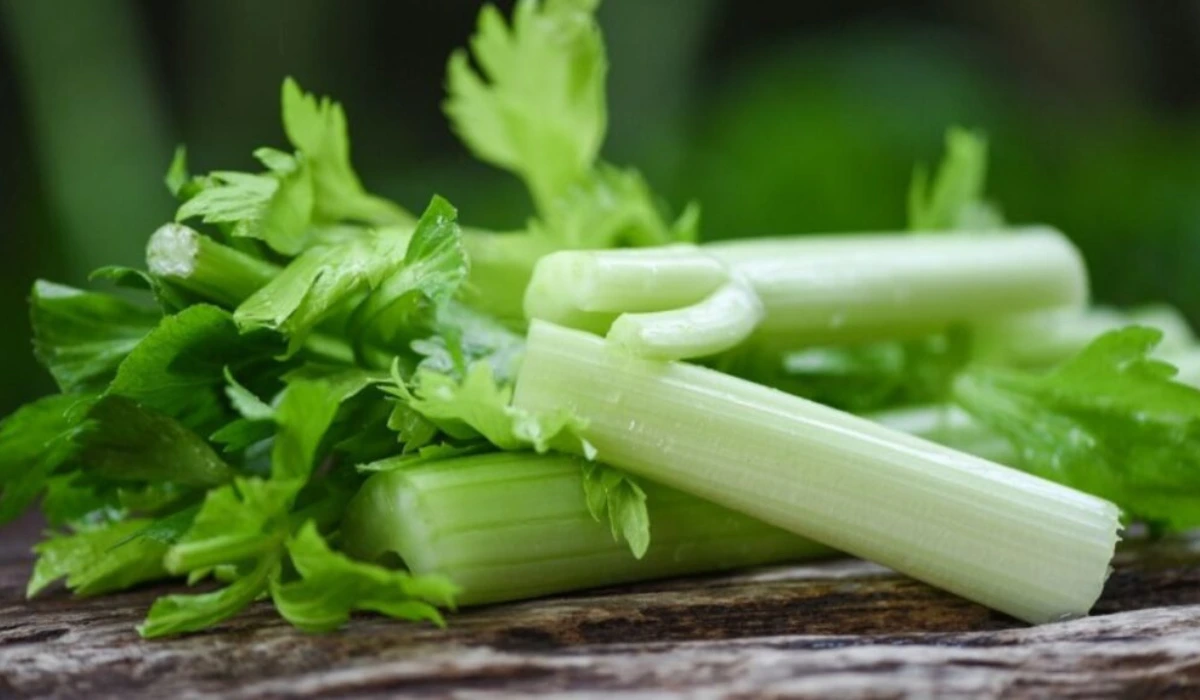
Pravi celer is the Serbian and Croatian term for celery, meaning “true celery” or “real celery,” referring to authentic, whole celery valued in traditional Balkan cuisine. According to culinary historians, ancient Greeks and Romans considered celery sacred, weaving leaves into crowns for the dead and awarding them to victorious athletes. The vegetable originated in the Mediterranean basin thousands of years ago, where Egyptians used it as sacred offerings to their gods while Greeks and Romans consumed it believing it boosted strength and vitality.
The nutritional profile makes pravi celer remarkably valuable despite being low in calories. According to nutritional analyses, it contains over 95 percent water content, providing excellent hydration while delivering essential vitamins K, C, and A. A single cup provides substantial vitamin K crucial for bone health and blood clotting, along with potassium helping regulate blood pressure naturally. The vegetable contains antioxidants like flavonoids and polyphenols that protect against free radical damage, while dietary fiber promotes digestive health and supports gut function.
Traditional Balkan cooking emphasizes using the complete plant—stalks, leaves, and root—reflecting a philosophy of resourcefulness where nothing goes to waste. According to culinary traditions, the stalks provide crisp texture in salads and stir-fries, leaves add aromatic depth to soups and stews, and the root can be mashed, roasted, or boiled for earthy richness in hearty winter dishes. This whole-plant approach distinguishes pravi celer from Western supermarket celery, which typically sells only trimmed stalks.
Health benefits extend beyond basic nutrition into therapeutic applications valued in traditional medicine. According to research, regular consumption supports heart health through phthalides that relax arterial walls, aids digestion with fiber regulating bowel movements, and reduces chronic inflammation through natural anti-inflammatory compounds. The high water content makes it excellent for weight management programs and detox diets, providing satiety without adding empty calories while supporting natural hydration.
Modern culinary applications demonstrate pravi celer’s versatility across multiple cooking styles. According to recipe collections, popular uses include forming soffritto base with onions and carrots for Italian sauces, adding crunch to Mediterranean salads with olives and feta cheese, enhancing Asian stir-fries alongside meats, and creating refreshing celery juice blended with apples and ginger. Contemporary chefs experiment with roasting the root as potato alternative or incorporating stalks into smoothies for nutrient boosts.
Growing pravi celer requires consistent moisture and well-drained, nutrient-rich soil with full sun exposure providing six to eight hours daily. According to gardening guides, seeds should start indoors ten to twelve weeks before last frost, with heavy mulching maintaining soil moisture and cool temperatures the plant requires. The vegetable takes three to four months to mature, with homegrown varieties offering superior flavor compared to commercial options. As wellness movements embrace clean eating and plant-based nutrition, pravi celer represents authentic, unprocessed food connecting modern consumers to traditional agricultural wisdom passed through generations.