
Soutaipasu (相対パス) is the Japanese term for relative path used in computing and web development. The word combines “sōtai” (相対) meaning relative with “pasu” (パス), a katakana transliteration of the English word path. According to technical documentation, a relative path describes a file’s location based on the current working directory rather than from the root directory, making it essential for creating portable and flexible projects that work across different systems and environments.
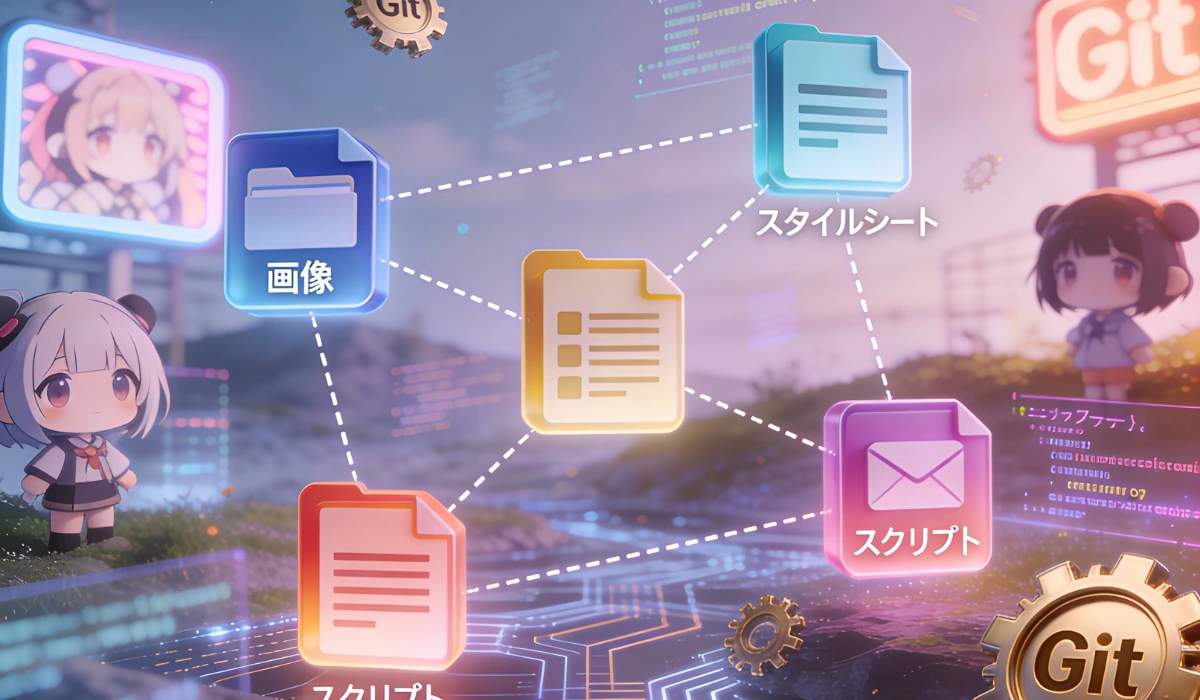
In web development, soutaipasu enables developers to link resources like images, stylesheets, and scripts without specifying complete domain paths. For example, an HTML file can reference an image using “../images/logo.png” instead of the full path “C:/Users/Name/Desktop/project/images/logo.png.” According to Mozilla’s official documentation on URLs and file paths, relative paths remain staples in HTML, JavaScript, and shell scripting because they adjust automatically when project folders are moved between computers or deployed to different servers, eliminating broken links that plague absolute path implementations.
The practical advantages extend beyond simple convenience. Projects using soutaipasu maintain functionality when shared between team members working on different operating systems or directory structures. According to programming best practices, relative paths reduce maintenance burden by eliminating the need to update hundreds of file references when reorganizing folder hierarchies. This portability makes codebases easier to manage through version control systems like Git, where absolute paths would create immediate conflicts between developers’ local file structures.
Beyond its technical origins, soutaipasu has evolved into a cultural metaphor within Japanese digital communities. According to digital culture observers, the term appears in anime fanfiction tagged as “soutaipasu routes” describing alternate universe stories where different choices lead to divergent outcomes. Social media users employ it philosophically to describe context-dependent relationships and fluid identities. This metaphorical usage particularly resonates with younger generations navigating multiple online personas, where meaning becomes relative to circumstances rather than fixed and absolute.
Common implementation challenges include miscounting directory levels when using “../” notation to navigate upward through folder hierarchies. According to web development guides, visualizing directory trees or using integrated development environment path helpers prevents navigation errors. Cross-platform compatibility requires attention since web systems use forward slashes while Windows local paths use backslashes. While relative versus absolute paths do not directly affect search engine rankings according to Google’s documentation, incorrect path handling creates broken links and duplicate content issues that harm technical SEO performance.
Modern build tools like Webpack and Vite offer configuration options to convert relative paths into optimized absolute URLs during production deployment. According to technical specifications, this approach combines development flexibility with production reliability. The contrast with zettai pasu (絶対パス) or absolute path highlights philosophical differences between flexibility and rigidity that resonate across Japanese technical and cultural discourse. Whether understood as a programming tool or cultural metaphor, soutaipasu represents how context shapes meaning in both code and human experience.