
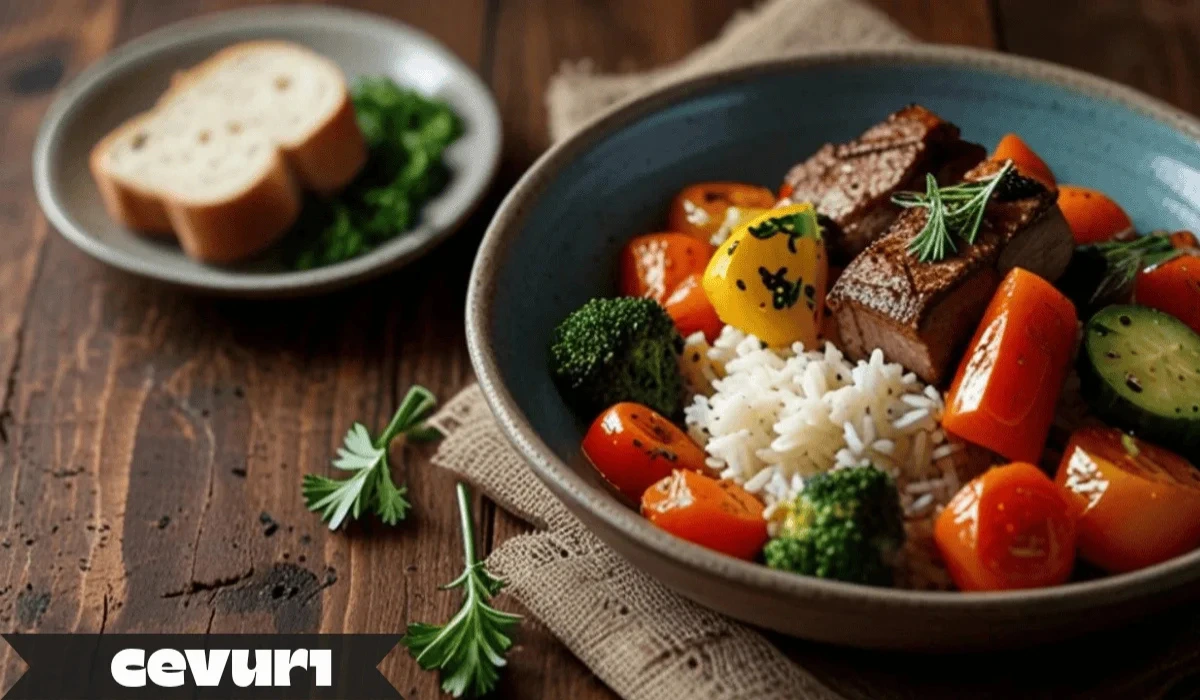
Cevurı represents a traditional Mediterranean dish deeply rooted in the culinary heritage of southeastern Turkey and neighboring regions. The dish consists of marinated meat, typically lamb or beef, slow-cooked with aromatic spices that create its distinctive flavor profile. According to food historians, Cevurı originated from ancient agricultural communities where locally sourced ingredients were celebrated for their unique characteristics.
The preparation begins with selecting quality cuts of meat that are marinated for several hours or overnight in a mixture of yogurt, olive oil, and spices. The marinade includes cumin, paprika, black pepper, and regional herbs that vary by location. Garlic and lemon juice are often added to tenderize the meat and enhance flavor depth. This marination process is crucial for achieving the authentic taste that defines traditional Cevurı.
Cooking methods vary across regions, though slow-roasting over charcoal or wood fire remains the most traditional approach. Some families prepare Cevurı in clay ovens called tandoors, while others use conventional ovens at low temperatures for extended periods. The slow cooking allows the meat to become tender while absorbing the aromatic spices fully. According to culinary experts, maintaining low heat for at least three to four hours ensures optimal texture and flavor development.
Regional variations demonstrate the dish’s adaptability across different communities. Southeastern Turkish versions incorporate spicy red pepper flakes and sumac, creating a bolder flavor profile. Central regions add pine nuts, dried apricots, and raisins for a sweet-savory balance. Coastal areas sometimes include seafood variations, though these remain less common than traditional meat preparations. Each family typically maintains its own recipe passed down through generations.
Cevurı is traditionally served with flatbread, grilled vegetables, and yogurt-based sauces. Rice pilaf often accompanies the dish, along with fresh salads featuring tomatoes, cucumbers, and onions. The communal nature of serving makes Cevurı popular for family gatherings and celebrations. Diners typically eat together, sharing from large platters placed at the center of the table.
Modern restaurants across Turkey and Mediterranean regions now feature Cevurı on their menus, introducing the dish to international audiences. Contemporary chefs experiment with fusion variations while respecting traditional preparation methods. The dish represents more than sustenance, embodying cultural identity and heritage that connects communities to their ancestral roots through shared culinary experiences that have endured for centuries.