
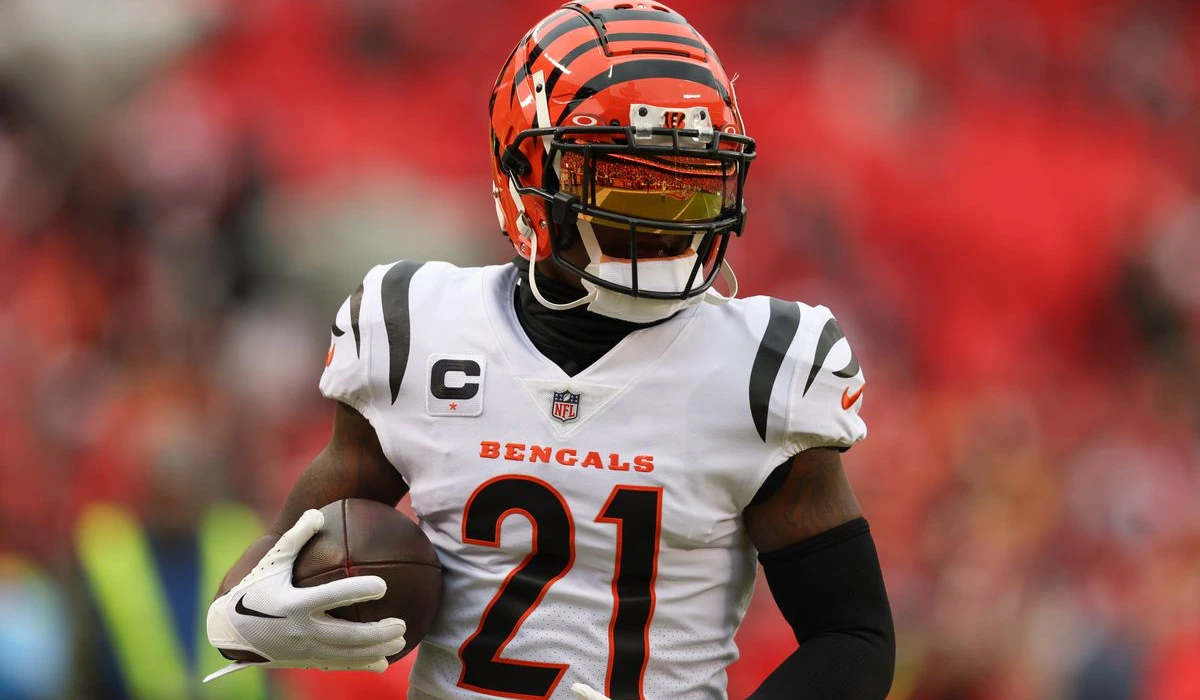
The Mike Hilton Bengals reunion that many Cincinnati fans hoped for never materialized. After four productive seasons wearing stripes, the veteran cornerback found himself on the open market in 2025, sparking widespread speculation about a potential return to Cincinnati. Instead, Hilton’s journey took him through Miami and ultimately to Indianapolis, leaving Bengals fans wondering what might have been.
Hilton’s departure from Cincinnati wasn’t entirely unexpected. After the 2024 season, the Bengals made a clear organizational decision to prioritize youth development in their secondary. With younger cornerbacks like DJ Turner and Jordan Battle ready for expanded roles, Cincinnati chose not to re-sign the 31-year-old slot corner when his four-year, $24 million contract expired.
What followed was an uncertain summer for Hilton. Despite being ranked as the No. 4 overall free agent and No. 3 among cornerbacks by ESPN in July (Stripehype), teams weren’t rushing to sign him. His production in 2024—73 tackles, 12 tackles for loss, and five passes defended across 16 games—demonstrated he could still contribute. Yet the phone wasn’t ringing.
Many Cincinnati fans watched this situation develop with interest. The question kept surfacing: Should the Bengals bring him back? After all, veteran leadership had become increasingly scarce in Cincinnati’s secondary following the departures of Jessie Bates III and Chidobe Awuzie in previous offseasons. Hilton represented exactly the kind of experienced presence that could help younger players navigate NFL defenses.
The speculation intensified when Hilton remained unsigned deep into the offseason. Hilton emerged as a locker-room leader during his four seasons with the Bengals, making his potential return seem beneficial for developing young players in Cincinnati’s secondary (Sports Illustrated). His eight seasons of experience, 13 career interceptions, and aggressive playing style made him an attractive option for teams needing secondary help.
But the Bengals never pulled the trigger. Instead, they committed fully to their youth movement under new defensive coordinator Al Golden. The organization believed players like Turner and Battle needed playing time to develop, not another veteran taking snaps away from their growth opportunities.
In late July, Hilton finally signed with the Miami Dolphins, seemingly ending any realistic chance of a Cincinnati reunion. However, that stint lasted barely a month. Miami released him in late August as part of their final roster cuts, putting Hilton back on the market just before the regular season began.
This created another window for Cincinnati to reconsider. With training camp complete and the regular season approaching, the Bengals could have brought Hilton back as injury insurance or veteran depth. Again, they passed.
The reunion scenario ultimately played out differently than anyone expected. Hilton signed with the Indianapolis Colts in September, but not to reunite with the Bengals—to reunite with someone arguably more important to his career: defensive coordinator Lou Anarumo.
Anarumo had been Cincinnati’s defensive coordinator throughout Hilton’s four-year tenure with the Bengals before leaving to join Indianapolis in 2025. The coordinator-player chemistry they developed proved stronger than Hilton’s connection to the city of Cincinnati. When Colts starting slot corner Kenny Moore suffered a calf injury in Week 3, Indianapolis knew exactly who to call.
The Bengals’ decision to move forward without Hilton reflects broader philosophical changes within the organization. Rather than relying on established veterans to maintain defensive stability, Cincinnati is betting on developmental upside. It’s a riskier approach that could pay dividends if younger players realize their potential—or backfire if inexperience leads to costly mistakes.
For Hilton, landing in Indianapolis provided what Cincinnati couldn’t offer: immediate playing time in a familiar system with a coordinator who understands how to maximize his strengths. His aggressive blitzing style and slot coverage ability fit perfectly into Anarumo’s defensive schemes, making the reunion make sense from both perspectives.
Whether the Bengals made the right call remains to be seen. Veteran leadership and experience matter, particularly in January when playoff pressure intensifies. Cincinnati’s secondary will face significant tests this season, and there may be moments when having someone like Hilton available would prove invaluable.
The Mike Hilton Bengals reunion never happened because Cincinnati chose development over dependability. Time will tell if that decision was wise.