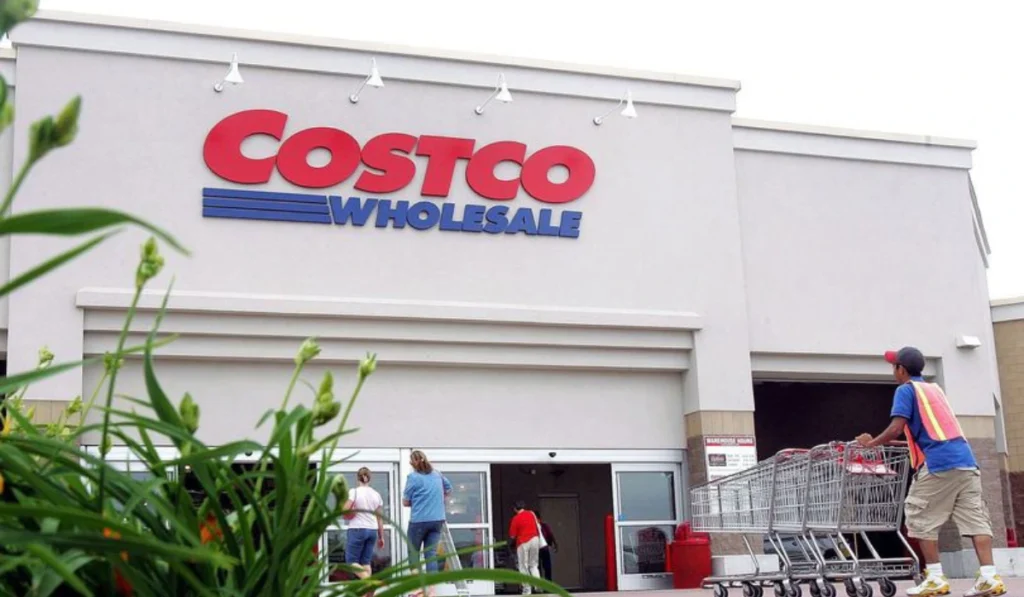

Resco Food Service launched its megastore in January 2024 in the City of Industry, California, located in what appears to be a former office building in the San Gabriel Valley just east of downtown Los Angeles. This new warehouse store is challenging Costco’s dominance in a state where the retail giant operates 143 locations—more than any other state.
Resco carries more than 5,000 items in its store, exceeding Costco’s typical inventory of about 4,000 SKUs per store. Products tower down on shoppers from high, shrink-wrapped pallets on scaffolding-like shelves, creating a warehouse atmosphere similar to Costco. However, the most significant difference lies in the membership model.
Resco offers an optional $20 annual membership that provides discounts and special offers, but unlike Costco, membership isn’t mandatory—it’s just a bonus perk for frequent shoppers. Costco, by comparison, charges $65 annually for its Gold Star membership and $130 for Executive membership, and buying a membership isn’t optional—it’s required to enter the store. This fundamental shift from mandatory to optional membership represents a major departure from the traditional warehouse club model.
Resco specializes in Asian groceries, with wide aisles filled with Asian ingredients, snacks and sauces, and entire areas devoted to restaurateurs needing bulk supplies, including 50-pound bags of Nishiki and Golden Crane sweet rice and sauces like sambal oelek and Sriracha in giant 136-ounce jugs. This largely Asian-focused product selection may not appeal to everyone, but it’s proven successful in the Asian-American communities of greater Los Angeles.
Despite its unglamorous industrial location and utilitarian approach, Resco has gained remarkable popularity with more than 38,000 Instagram followers and regularly appears in videos from food influencers like Raina Huang, who has 6 million followers across TikTok and Instagram. The store recently announced an expansion that will bring their total number of stores to three.
The City of Industry location is zoned more than 90% for commercial ventures, mostly manufacturing and trade logistics, housing more than 3,000 businesses but only a few hundred residents. This industrial setting keeps overhead costs low while remaining accessible to surrounding communities.
Costco maintains advantages including its broader product range that extends beyond groceries to electronics, clothing, and toys, plus its deliberate inventory limitations that help negotiate better supplier prices and maintain quality control. However, Resco’s model proves that consumers are interested in warehouse shopping alternatives that don’t require upfront membership commitments.
While three stores don’t pose an immediate threat to Costco’s empire, Resco’s success demonstrates that the mandatory membership model isn’t untouchable. The optional membership approach removes barriers to entry, allowing shoppers to browse freely and only commit financially if the discounts justify it. For price-conscious consumers during inflationary times, this flexibility matters—especially when choosing between a $20 optional membership versus Costco’s required $65-$130 fees.
The strategic implications for Costco are worth noting. If Resco’s model succeeds and inspires similar competitors, it could gradually erode the membership-fee revenue stream that’s been central to warehouse club profitability for decades. Competition should ultimately benefit consumers through lower fees, better selection, or innovative store formats that challenge long-standing retail conventions.